
 Available in US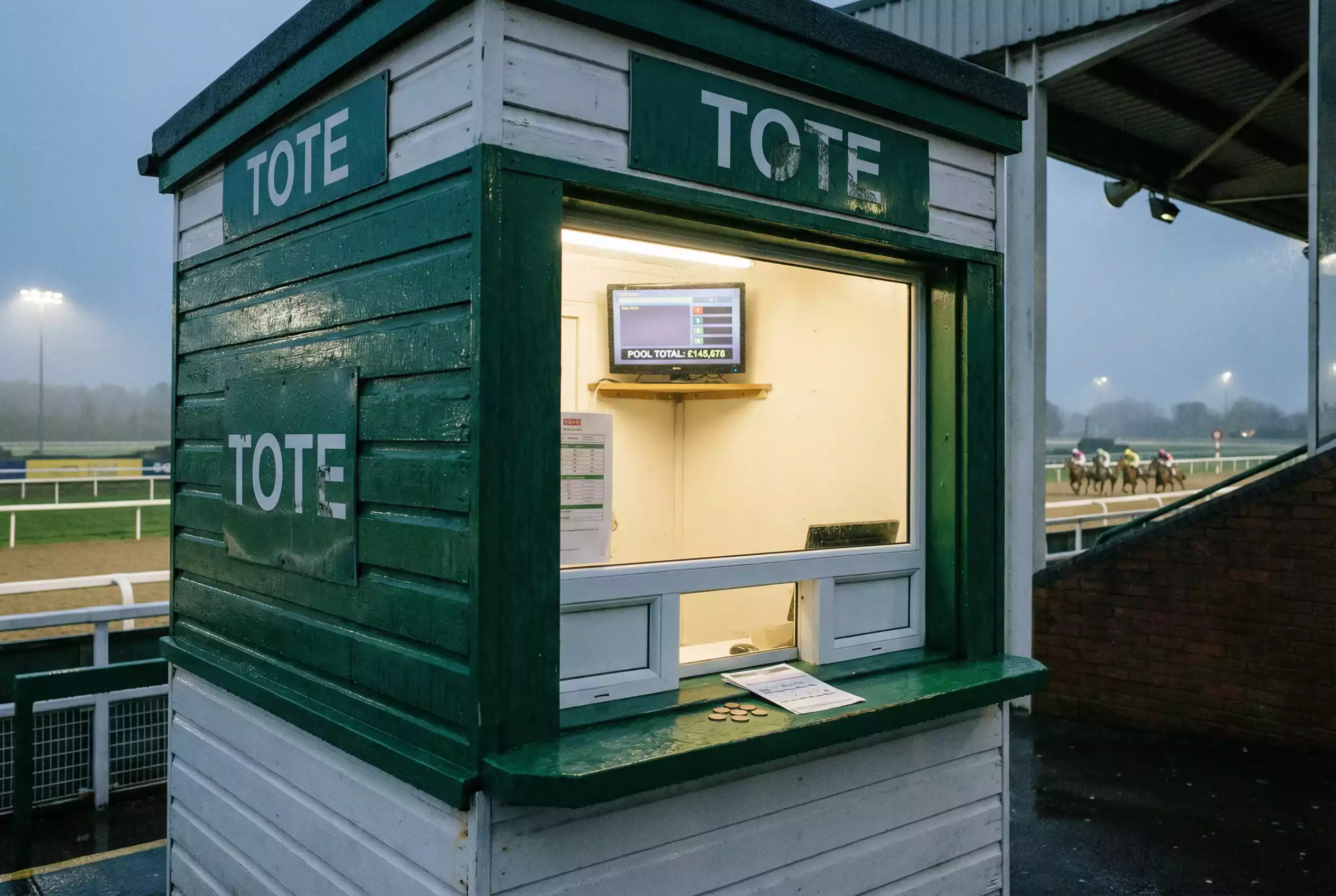
The Oldest Form of Race Betting, Reimagined
Pool betting predates the fixed-odds bookmaker by decades, and the Tote — Britain’s pool-betting operator — has been part of the racing landscape since 1928. The concept is simple: all bets on a race go into a shared pool, the operator takes a percentage, and the remainder is divided among the winners. Unlike a bookmaker, who sets the odds and takes a position against you, the Tote is a neutral mechanism — the payout depends entirely on how many people backed the winner and how much money is in the pool. Tote Betting at Wolverhampton — More on this topic at wolverhampton race betting.
At Wolverhampton, Tote pool betting at Wolverhampton operates alongside the fixed-odds market at every meeting. The online horse racing betting market generated £766.7 million in gross gambling yield for the 2024-25 financial year according to the Gambling Commission, and the Tote captures a modest but meaningful share of that market. For punters who prefer a different risk profile from fixed-odds betting, or who want access to exotic bet types that bookmakers do not offer, the Tote provides an alternative that is particularly well suited to Wolverhampton’s competitive fields.
How Tote Pools Work
Every Tote bet goes into a pool for the specific bet type on that race. The Win pool collects all Win bets; the Place pool collects all Place bets; the Exacta pool collects all Exacta bets, and so on. The Tote deducts a percentage from each pool — the takeout rate, which varies by product but is typically between 13 and 28 per cent — and distributes the remainder among winning tickets in proportion to their stake.
The payout is not known until the pool is closed and the result is confirmed. This is the fundamental difference from fixed-odds betting, where the price is agreed at the moment the bet is placed. On the Tote, you are betting blind on the return: you know your stake, but the dividend depends on the total pool size and how many other bettors backed the same outcome. This means the Tote can pay more or less than the fixed-odds SP for the same horse, depending on how the pool money fell.
The Win pool is the simplest: back a horse to win, and if it wins, you receive a share of the pool. The Place pool pays if your horse finishes in the places (the number of places varies by field size, following the same rules as each-way betting). The Exacta requires you to name the first two finishers in the correct order. The Trifecta requires the first three in order. The Placepot — covered in detail in a separate article — requires a placed horse in each of the first six races. The Scoop6 is the jackpot product, requiring selections in six designated races across the day.
Each product has a different takeout rate and a different liquidity profile. The Win and Place pools are the most liquid and the most predictable. The Exacta and Trifecta pools are smaller and more volatile, producing larger dividends when the result is unexpected. At Wolverhampton, where midweek pools are modest compared to Saturday fixtures at major tracks, the volatility of the exotic pools is amplified — a single contrarian result can produce an outsized payout.
Tote Products Available at Wolverhampton
Every Tote product is available on Wolverhampton meetings, both on-course through Tote windows and online via the Tote website and app. With more than eighty fixtures a year, Wolverhampton provides consistent pool availability — the Tote is not a product reserved for big Saturday meetings but a daily feature of the racing programme.
The Win and Place pools at a typical midweek Wolverhampton meeting are modest — often in the range of a few thousand pounds per race. This means the Tote dividend can diverge significantly from the SP. If a horse is heavily backed in the Win pool but drifts in the fixed-odds market, the Tote Win dividend may be lower than the SP. Conversely, if the fixed-odds market is dominated by a short-priced favourite but the Tote pool contains less money on that horse, the Tote Win return can exceed the SP. Checking the Tote indicative odds during the final minutes before a race — available on the Tote website and most major bookmaker platforms — allows you to compare and choose the better return.
The Exacta is where the Tote comes into its own at Wolverhampton. In a competitive handicap with eight to twelve runners, the Exacta pool may be only a few hundred pounds, and a correct first-and-second prediction involving mid-priced runners can produce a dividend that far exceeds what a fixed-odds forecast would have returned. The smaller the pool and the more unexpected the result, the larger the payout. This makes the Exacta a speculative but high-upside product at Wolverhampton, particularly in lower-class handicaps where upsets are more frequent.
The Trifecta follows similar logic. Naming the first three in a Wolverhampton handicap in the correct order is difficult, but the small pool sizes mean that a successful Trifecta bet can return hundreds of times the stake. The maths favour the punter who can narrow the contenders using draw-bias and pace data — if you know that front-runners from low draws dominate at 5 furlongs, you can construct a Trifecta perm that focuses on those runners and excludes the hold-up horses drawn wide, reducing the cost while targeting the most likely outcomes.
Tote vs Fixed Odds: When Pool Betting Pays More
The Tote pays more than fixed odds in specific, identifiable situations. The first is when the winner is under-bet in the pool relative to its actual chance. This happens when the public money in the pool is concentrated on one or two fancied runners, leaving the eventual winner with a disproportionately small share of the pool. The dividend is large because few tickets share the pot. At Wolverhampton, where the pools are small and the public money tends to follow the obvious favourites, this scenario occurs more frequently than at major meetings.
The second is in the exotic pools — Exacta, Trifecta, Placepot — where the payout is driven by the number of winning combinations rather than the price of a single horse. A winning Exacta at Wolverhampton on a Wednesday evening might pay £50 for a £1 stake, while the equivalent fixed-odds forecast on the same combination might have returned £35. The difference is not guaranteed in either direction, but the Tote’s smaller pools tend to produce higher payouts on unexpected results.
Fixed odds pay more when the winner is the favourite. The Tote Win pool for a short-priced favourite at Wolverhampton is typically oversubscribed — too much money chasing the obvious horse — which depresses the dividend below the SP. This is the standard Tote limitation: the public’s favourite bias is more concentrated in pool betting than in the fixed-odds market, where the bookmaker’s pricing model smooths out the imbalance. If you are backing the favourite at Wolverhampton, fixed odds almost always deliver a better return than the Tote. See also Bankroll Management for Horse Racing.
The practical approach is to use both channels. Check the Tote indicative odds before every race. If the Tote is paying more than the fixed-odds price on your selection, bet through the Tote. If fixed odds are better, take the fixed-odds price. This comparison takes thirty seconds per race and ensures you are always getting the best available return for the same bet.
