
 Available in US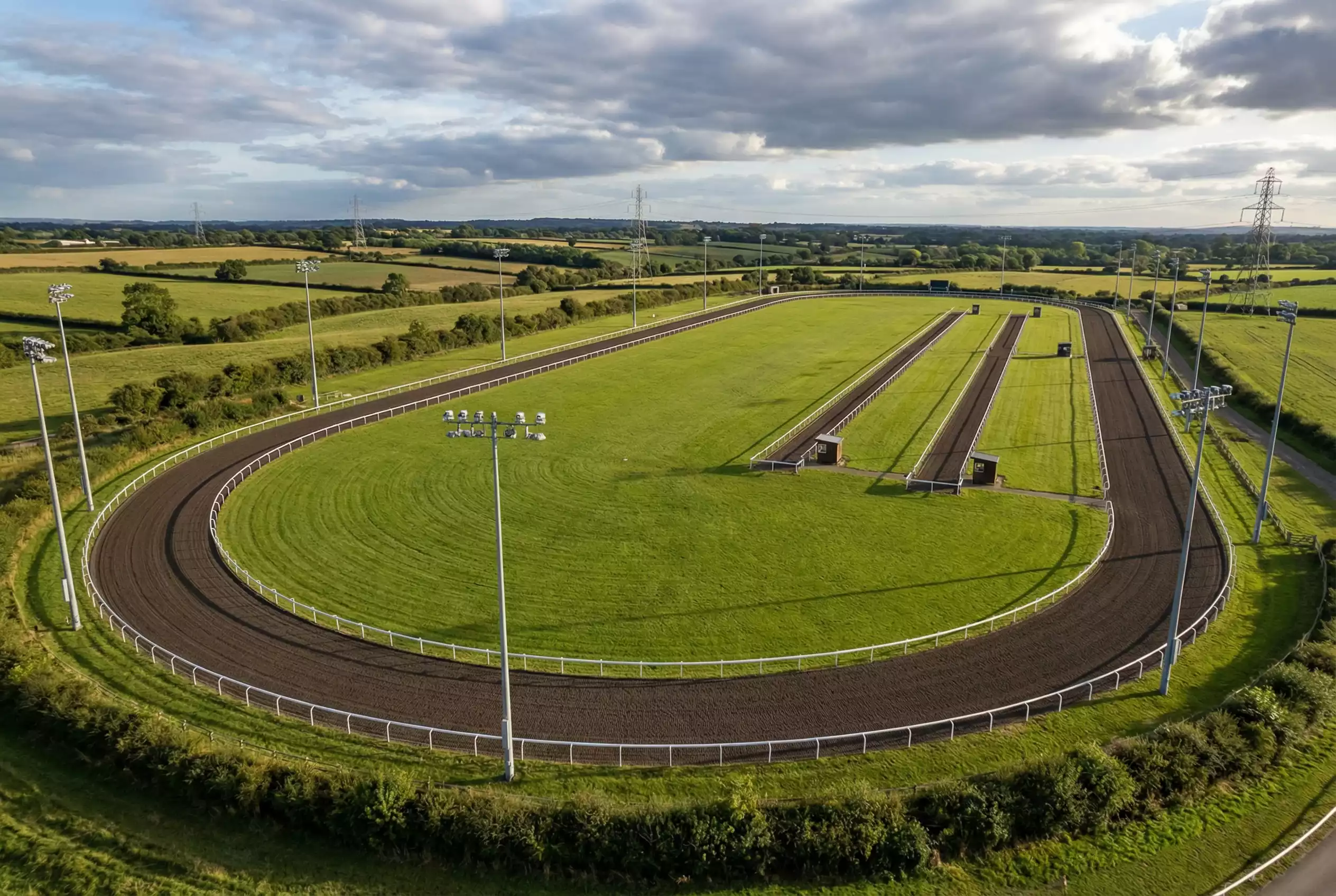
Three Sprints, Three Tactical Puzzles
Wolverhampton’s sprint distances share a track and a surface, but that is roughly where the similarities end. The 5-furlong, 6-furlong, and 7-furlong trips each present a distinct tactical problem shaped by where the stalls sit, how many bends the field negotiates, and how much straight is left when the real racing begins. Jockey David Probert described Wolverhampton as “a flat oval, about a mile around, and it’s a pretty fair track,” which is accurate as a general statement — but the sprint distances are anything but uniform once you start examining the specifics. Wolverhampton Distance Guide — More on this topic at wolverhampton race betting.
Wolverhampton stages more than eighty fixtures a year, and sprints make up a substantial share of every card. Understanding the profile of each of Wolverhampton’s sprint distances is not supplementary knowledge; it is the framework within which draw, pace, and form data make sense. A horse that handles the 5-furlong configuration brilliantly may struggle at 7 furlongs, not because it lacks stamina but because the tactical demands change. The starting position shifts, the number of bends differs, and the balance between raw speed and positional intelligence tilts. Getting this right is the difference between a racecard that tells a story and a set of numbers that means nothing.
5-Furlong Profile: Speed and Inside Rail
The 5-furlong start sits on a short chute that feeds into the main left-handed oval. Horses break from the stalls, build speed along a brief straight section, and then hit the first — and only — bend roughly a furlong and a half into the race. From there, it is a dash down the home straight to the finish. The entire trip takes around sixty seconds for a decent handicapper, which leaves almost no margin for tactical error.
What defines this distance is the premium on early speed and inside position. The bend arrives so quickly after the start that horses drawn low can establish a rail position with minimal effort, while those drawn high face a choice: spend energy crossing over immediately, or accept a wider path through the turn. In big fields — ten runners or more — this geometry creates a measurable draw bias that favours low stalls. In smaller fields, the effect fades because there is enough room for everyone to find a line through the bend without compression.
The home straight at Wolverhampton is roughly two and a half furlongs. At 5 furlongs, the field enters the straight already at full racing speed, so a horse that is behind at this point has very little time or distance to close the gap. This is why front-runners and prominent racers thrive over the minimum trip: the race is almost always won from the front third of the field, and the short straight provides an inadequate runway for hold-up horses to launch a rally. When assessing a 5-furlong race at Wolverhampton, the first question is not “who has the best form” but “who will be in front approaching the home turn.”
Kickback on the Tapeta surface adds another consideration. Horses racing in behind the leaders at close quarters catch the material flicked up by the runners ahead. Some animals tolerate this without issue; others lose concentration or shorten their stride. At 5 furlongs, where the field is tightly bunched through the bend, kickback affects a larger proportion of the runners than it does at longer distances where the field strings out. It is a small factor, but one worth noting when assessing horses with limited all-weather experience.
6-Furlong Profile: The Balanced Distance
Add a furlong and the picture changes more than you might expect. The 6-furlong start is positioned further around the oval, giving the field a longer run before hitting the first bend. That additional straight at the start does two things: it allows jockeys more time to find a position regardless of their draw, and it reduces the early compression that makes the 5-furlong bend so consequential.
The result, confirmed by data from DrawBias.com, is a distance with virtually no draw bias. The win distribution across stalls at 6 furlongs is close to symmetrical — a near-even spread from low to high draws that stands in stark contrast to the gradient seen at 5 furlongs. This makes 6 furlongs Wolverhampton’s most egalitarian sprint distance, and it changes the analytical approach entirely. Where at 5 furlongs you lead with the draw, at 6 furlongs you lead with form, fitness, and pace.
Tactically, the extra furlong introduces a wider range of viable running styles. Front-runners still do well — the short home straight rewards prominent position — but stalkers who sit just off the pace through the first half of the race have a realistic chance of picking off a tiring leader in the final furlong. The 6-furlong trip is long enough that pure speed merchants sometimes empty the tank before the line, and short enough that hold-up horses cannot rely on a sustained finishing kick to overhaul the field. It is, in short, a balanced distance: the most form-dependent of the three sprints and the least susceptible to track-geometry distortions.
For bettors, the practical takeaway is that 6-furlong races at Wolverhampton should be assessed more like conventional form puzzles than like the stall-position exercises that the 5-furlong and 7-furlong trips can become. Class, fitness, recent form, and jockey booking carry more weight here than at any other sprint distance on the card.
7-Furlong Profile: Where Stamina Meets Tactics
Seven furlongs at Wolverhampton is the distance where the track starts to ask different questions. The start position means the field negotiates more of the oval’s circumference, encountering bends that test a horse’s ability to maintain rhythm while racing on a curve. This is no longer a pure speed test; stamina begins to matter, and so does the ability to travel efficiently around the turns rather than fighting them.
The draw re-enters the equation here, though in a different configuration to the 5-furlong bias. The 7-furlong start feeds runners into a bend early enough that low draws regain some of their positional advantage, but the longer distance gives jockeys drawn wide more time and space to recover than they have in a five-furlong scramble. The bias exists but is less extreme — more of a nudge than a shove. It is enough to consider when the field is large, but not so dominant that it should override a clear form advantage.
What makes 7 furlongs tactically distinctive at Wolverhampton is the premium on what racing commentators call the “handy” position — sitting second or third, just behind the pace, through the early stages. Horses that can lob along in this position without being asked for effort save energy through the bends and have first run when the leader begins to tire in the home straight. Pure front-runners can still win, but they face more pressure than at shorter distances because the field has longer to reel them in. Pure hold-up horses face the same short straight that limits their scope at every Wolverhampton distance. See also Wolverhampton Evening Racing.
The 7-furlong trip is also where the transition from sprinter to miler becomes visible. Some horses entered over this distance are specialist sprinters stretching their stamina; others are milers dropping back for a speed test. Knowing which category a runner falls into — and how the track configuration rewards each type — is a useful lens for separating contenders from also-rans. The sprinter stretching may have the speed to lead but not the reserves to sustain it. The miler dropping back may have the endurance but lack the early pace to position itself prominently through the first bend.
